
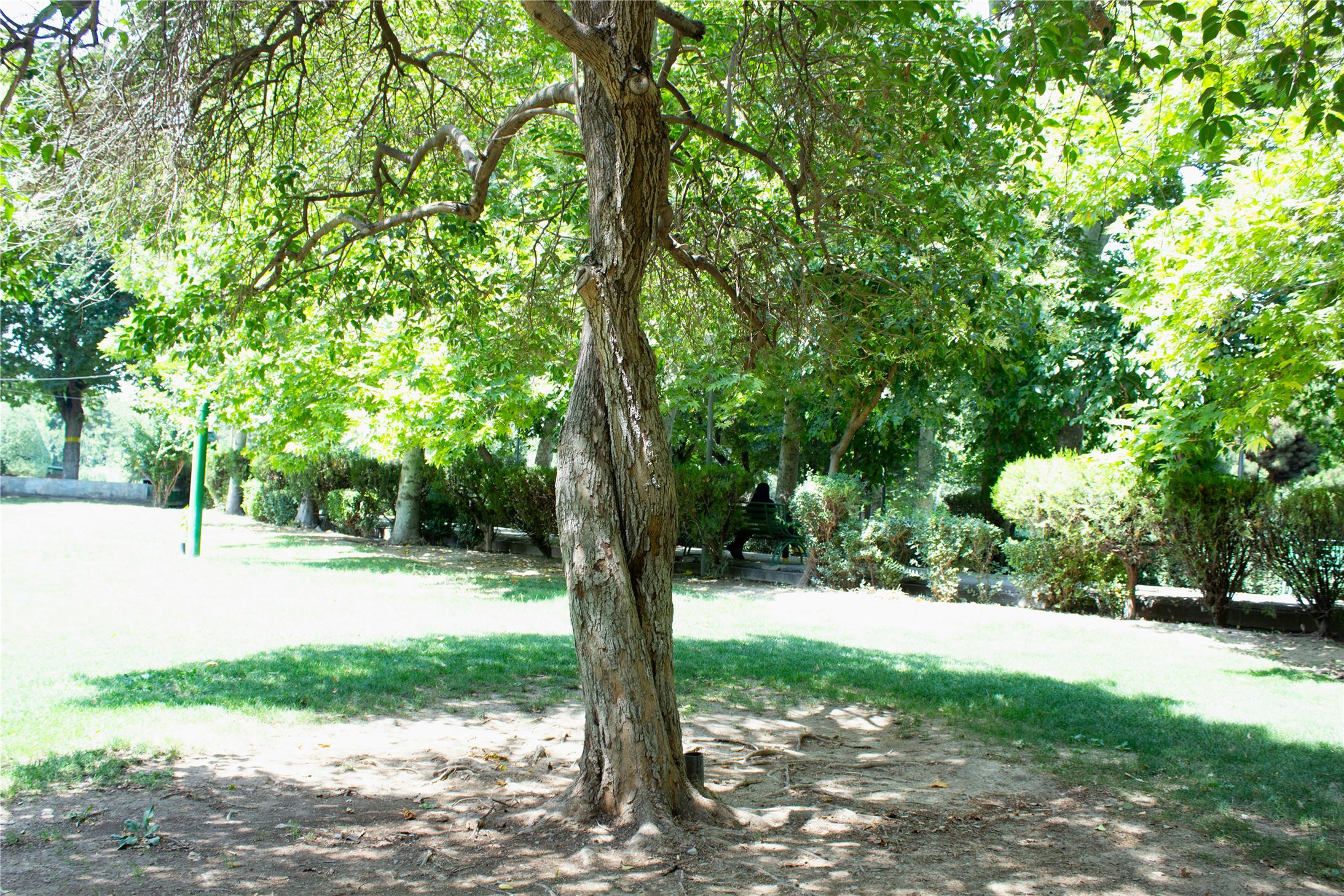
5 Easy Trees to Plant and Maintain in a Fife Garden
If you are thinking about adding a tree to your garden, choosing the right variety is every bit as important as deciding where to plant it.
Here in Fife, our gardens have to cope with four distinct seasons, plenty of rainfall, winter frosts, occasional snow and, particularly in more exposed or coastal locations, some fairly strong winds.
The good news is that there are plenty of attractive trees that are well suited to Scottish gardens without demanding huge amounts of maintenance.
At Clyne Trees & Gardens in Kirkcaldy, we work in gardens throughout Fife and understand that homeowners aren't necessarily looking for a tree that needs constant pruning and attention. Often, the best choice is something hardy, manageable and attractive that will establish well in the right location.
Here are five trees worth considering.
1. Rowan – A Hardy Favourite for Scottish Gardens
Rowan (Sorbus aucuparia) is one of the first trees we would consider for a Fife garden.
Native to Britain, rowan is well suited to the Scottish climate and gives you interest during several parts of the year. Clusters of white flowers appear during spring, followed by distinctive berries and attractive autumn foliage.
The berries are also valuable to garden birds, making rowan a particularly good choice if you want to encourage wildlife into your garden.
Where should you plant a rowan tree?
Rowan is relatively adaptable and can cope with a range of soil conditions. Ideally, give it reasonably well-drained soil and a sunny or partially shaded position.
Remember that a rowan may be a fairly compact young tree when purchased, but it won't stay that size. Always consider its eventual height and canopy before choosing the location.
Best planting period: Autumn through to early spring, avoiding frozen or waterlogged ground.
Good for: Wildlife gardens, lawns, larger borders and gardens where you want seasonal colour without a particularly demanding tree.
2. Crab Apple – Spring Blossom and Autumn Fruit
A crab apple (Malus) is another excellent tree for a Fife garden and can be particularly useful where space is more limited.
Depending upon the variety, crab apples produce an impressive display of spring blossom followed by small, colourful fruits later in the year. Those fruits can provide another useful food source for birds.
Many ornamental varieties have been developed specifically for gardens, so you don't necessarily need a huge space to enjoy an apple tree.
What soil does a crab apple prefer?
A fertile, well-drained soil is ideal. Crab apples generally appreciate sunshine, particularly if you want plenty of flowers and fruit, although many will tolerate some partial shade.
If your garden contains particularly heavy soil that remains saturated for long periods, drainage should be considered before planting.
Best planting period: Autumn and winter are excellent times to establish a tree, although container-grown trees can also be planted at other times if they are watered carefully.
Good for: Small to medium gardens, wildlife-friendly gardens and homeowners wanting both spring and autumn interest.
3. Hawthorn – Tough, Attractive and Great for Wildlife
You will see hawthorn (Crataegus) growing successfully throughout Scotland, and there is a good reason for that.
It's tough.
Hawthorn can cope with relatively exposed conditions and provides spring blossom followed by red fruits or 'haws' later in the year. Those flowers and fruits make it an excellent tree for supporting insects and birds.
There are also ornamental varieties available that can work very well as individual garden trees rather than the hawthorn you might normally associate with countryside hedging.
Where can hawthorn grow?
Hawthorn isn't particularly fussy and will grow in many ordinary garden soils, provided conditions aren't permanently waterlogged.
It is also worth considering for a more exposed Fife garden where a delicate ornamental tree might struggle.
Best planting period: Generally between autumn and early spring.
Good for: Exposed gardens, wildlife, larger borders and anyone looking for a hardy, relatively straightforward tree.
4. Birch – A Beautiful Tree for Year-Round Structure
A birch (Betula) can make a striking addition to a Scottish garden.
The light canopy and distinctive bark give birch trees a completely different character from many heavier-looking garden trees. Even after the leaves have fallen, the bark can continue to provide interest throughout winter.
Birches are also impressively adaptable. They generally prefer moist but well-drained ground and a sunny or partially shaded location, although many will tolerate poorer soils and exposed positions.
Is a birch suitable for every garden?
Not necessarily.
This is where looking beyond the young tree in the garden centre becomes important.
Some birches eventually become substantial trees, so check the expected mature height and spread of the particular variety before buying it. There are more compact varieties available where space is restricted.
Best planting period: Autumn or winter is ideal and reduces the amount of watering normally required while the tree establishes.
Good for: Medium and larger gardens, lawns, exposed locations and creating attractive structure and bark colour.
5. Amelanchier – A Small Tree with Several Seasons of Colour
If you want a smaller ornamental tree, Amelanchier – sometimes called Juneberry or snowy mespilus – deserves serious consideration.
It is particularly useful because it doesn't provide just one short burst of interest.
In spring, white flowers appear alongside attractive young foliage. These are followed by berries and then impressive autumn leaf colours as the seasons change.
For a Fife homeowner with limited garden space, varieties such as Amelanchier can provide many of the benefits of a larger flowering tree without completely dominating the garden.
What conditions does Amelanchier prefer?
A reasonably fertile, moist but well-drained soil is a good starting point. Many varieties are particularly happy in neutral to acidic soils and will grow in sun or partial shade.
Give it enough room for its eventual canopy and avoid squeezing it into a tiny gap simply because the tree looks small when first planted.
Best planting period: Autumn through to early spring.
Good for: Smaller gardens, front gardens, ornamental borders and homeowners looking for spring blossom followed by autumn colour.
When Is the Best Time to Plant a Tree in Fife?
Although container-grown trees can technically be planted throughout much of the year, autumn through to early spring is usually the most practical planting period.
Planting while a deciduous tree is dormant allows its root system to begin establishing before the demands of spring and summer growth.
For Fife gardens, however, weather and ground conditions matter more than simply following the calendar.
Don't plant into frozen ground and avoid planting when the soil is completely saturated or water is sitting in the planting hole.
A tree planted correctly in suitable autumn conditions will generally require considerably less intervention than one planted just before a spell of warm, dry weather.
Check Your Garden Soil Before Choosing Your Tree
Don't choose a tree first and worry about the soil afterwards.
Look at the area where you intend to plant it.
Does water sit there following heavy rain? Does the ground dry out very quickly? Is the soil heavy and difficult to work, or light and free-draining?
Most of the trees we've suggested are fairly adaptable, but well-drained soil that retains some moisture without remaining permanently saturated is a good environment for establishing many garden trees.
You should also consider soil pH. Some trees are more tolerant than others of acidic or alkaline conditions, so if you are investing in a specimen tree and aren't sure about your soil, a simple soil test can help you make a better choice.
Before Planting a Tree – Look Up, Down and Around
One of the biggest mistakes when planting a tree is choosing its position based on how big it is today.
The more important question is:
How big will this tree be in 10, 20 or 30 years?
Before planting, look carefully at what surrounds the proposed location.
Consider:
- Your house, garage, conservatory and other buildings.
- Your neighbour's property and garden.
- Underground drains, pipes and other services.
- Overhead telephone and electricity cables.
- Garden walls, fences and retaining walls.
- Driveways, patios and paths.
- Sheds and other garden structures.
- How much sunlight the mature canopy could block.
- How far the mature branches are likely to spread.
- Whether falling leaves, blossom or fruit could become a nuisance.
- Whether you will still be able to access the tree safely for future pruning and maintenance.
It is much easier to move a planting position by two or three metres before putting the tree in the ground than discovering years later that it has become unsuitable for its surroundings.
Don't Forget to Think About the Tree's Mature Size
When you buy a young tree, it may only be 1.5 or 2 metres tall. That can make almost any location look suitable.
Research the expected mature height and spread of the exact species and variety.
Even trees commonly described as suitable for smaller gardens can eventually reach several metres in height and width.
This is particularly important in modern housing developments around Kirkcaldy and throughout Fife, where garden space can be limited and houses, fences, paths and neighbouring properties may all be relatively close together.
Choosing the right tree for the available space can mean less pruning, fewer problems and a much better-looking tree in the years ahead.
Need Help Choosing or Planting a Tree in Fife?
Planting a tree is an investment in your garden that could last for decades, so it pays to get the location and choice of tree right from the beginning.
At Clyne Trees & Gardens, we provide professional gardening, landscaping and tree services throughout Kirkcaldy and the surrounding Fife area.
Whether you're considering adding a single ornamental tree to a small garden, introducing several trees as part of a new landscaping project or need advice about existing trees, our experienced team can help.
Talk to Clyne Trees & Gardens about choosing, planting and maintaining trees that are right for your garden and the Fife climate.